
Services
-

Face to Face Appointments
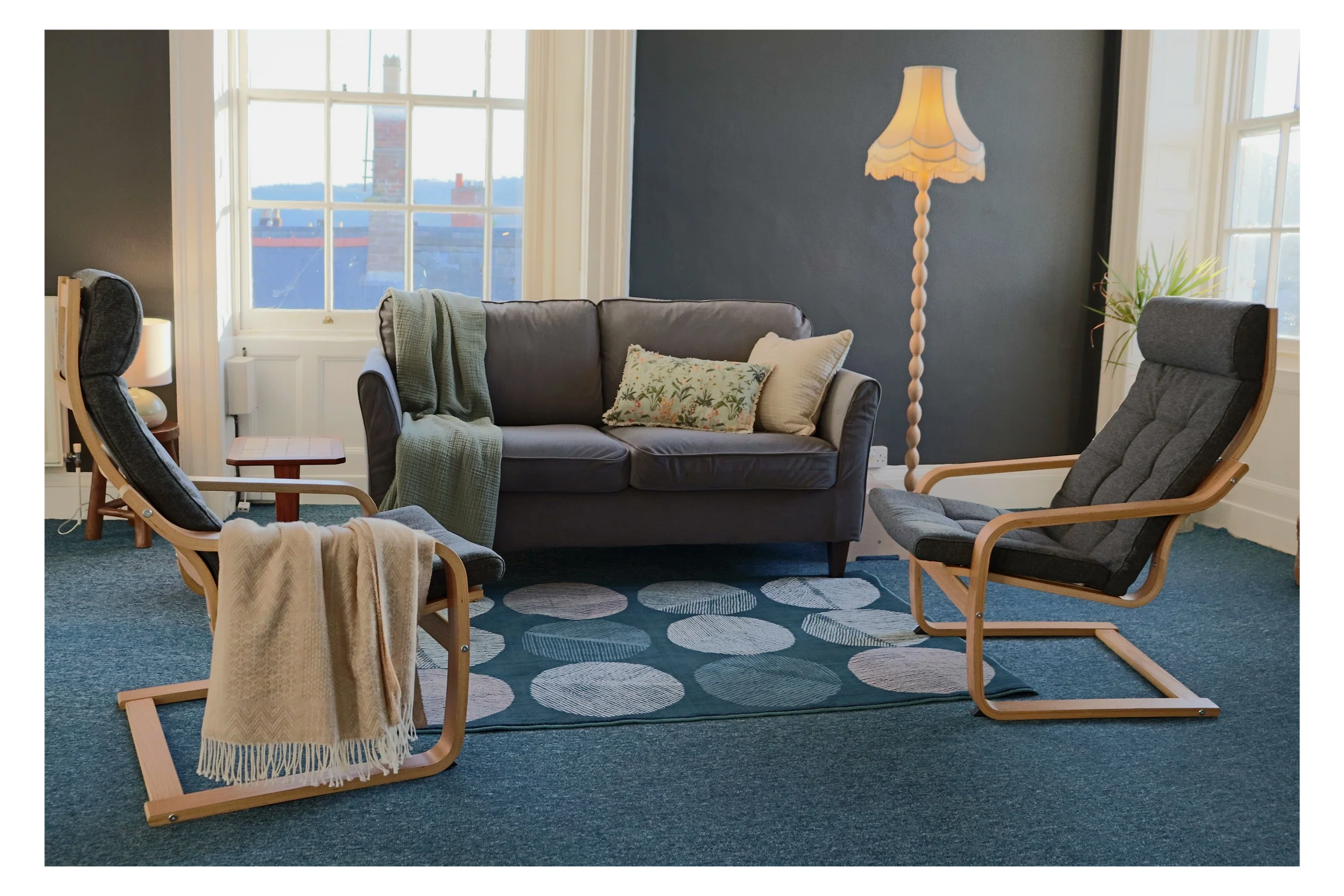
Most of my in-person sessions take place at Your Healing Rooms in the centre of Abergavenny. The space is calm, comfortable, and private, designed to support reflective and focused work. Large windows look out toward the Blorenge and Sugarloaf mountains, offering a quiet sense of grounding.
Meeting in person can provide a greater sense of presence and connection, especially for clients who value a clear separation between therapy and daily life. Many people find that being in the same physical space helps them feel more supported and able to explore emotions at a deeper level.
If in-person sessions are not suitable, for instance due to mobility, health, or scheduling, we can discuss suitable alternatives such as online or telephone therapy.
(Accessibility details can be found on the Therapy Spaces section below) -

Online and Telephone Appointments
Online therapy and telephone counselling can offer the same depth and quality of work as meeting in person. For many people, these formats make it easier to access support from home or during times when travel or scheduling make in-person sessions difficult.
Online sessions take place via Doxy.me, a secure healthcare platform that protects your privacy. Telephone sessions are arranged at an agreed time, and I will contact you directly.
You will need a private space where you can talk freely, and a device with a microphone and camera if you wish to be seen. Before our first session, we can discuss how to manage interruptions or unexpected situations, so that you can feel safe and in control throughout.
Online and telephone appointments are often chosen by clients who value flexibility, privacy, or continuity of support when life circumstances change.
-
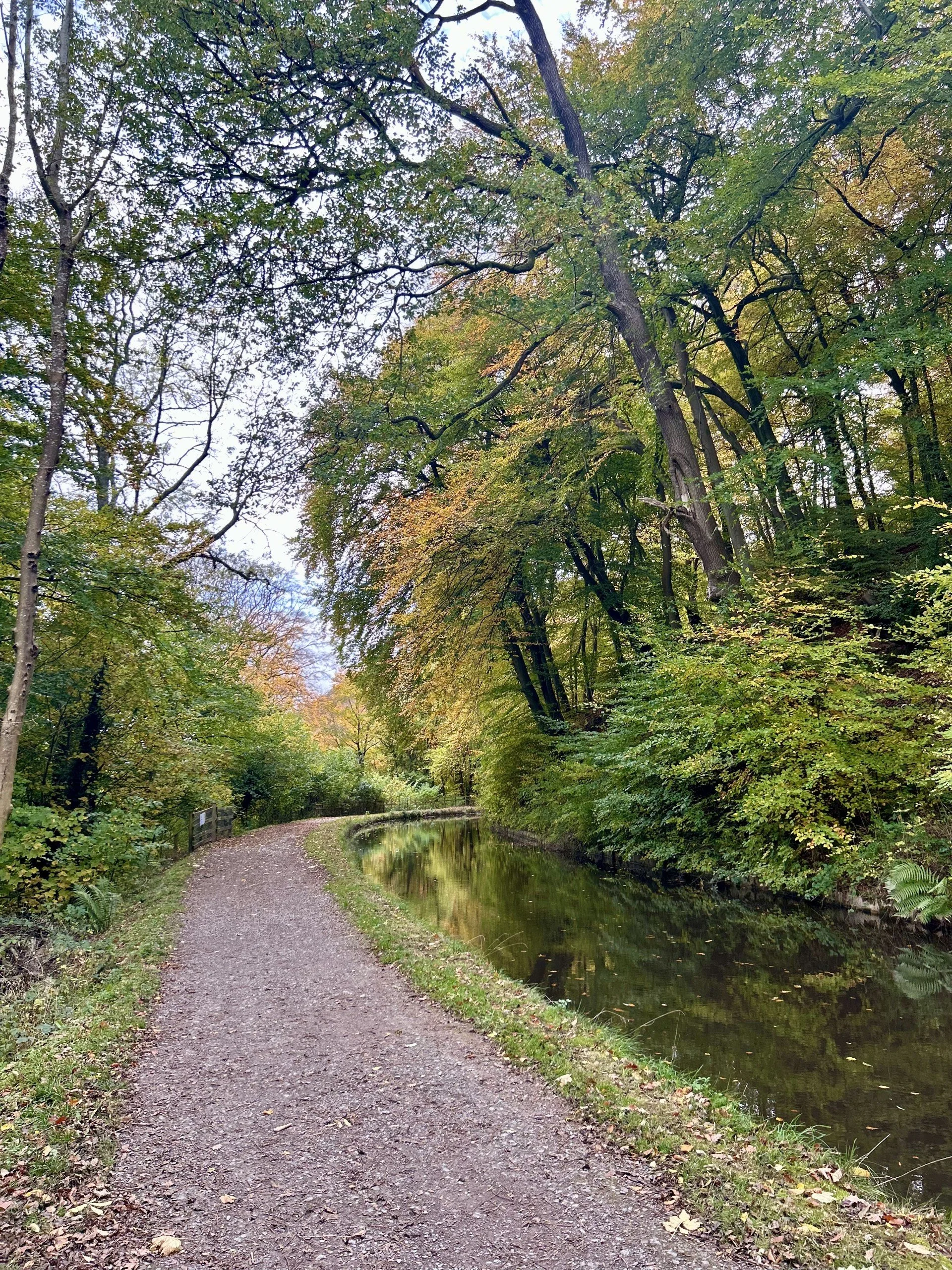
Walk or Wheel and Talk Sessions
For some people, movement and open space can make it easier to think and talk. Walk and talk therapy brings counselling outdoors, combining the benefits of gentle movement, nature, and reflective conversation.
These sessions take place in and around Abergavenny, at a pace and route that feel comfortable for you. Some clients find that walking or wheeling helps them process emotions more naturally, reduce tension, and feel less pressure than sitting face to face.
Walk or wheel and talk sessions can be especially helpful when working through stress, anxiety, trauma, or times of transition. Being outdoors often encourages a sense of freedom and connection that supports the therapeutic process.
(Accessibility information and venue details can be found in the Therapy Spaces section below.)
-

Individual Coaching and Training for Organisations
Alongside one-to-one therapy, I also provide coaching and training for individuals and organisations. These sessions support emotional wellbeing, resilience, and reflective practice in professional settings.
Examples of available topics include:
- Staff wellbeing and resilience
- Trauma-informed and compassionate practice
- Managing stress, communication challenges, and emotional regulation
- Relational and interpersonal skills
- Understanding and supporting neurodivergence in the workplace
All sessions are tailored to your organisation’s specific needs. I draw on my background in clinical, educational, and organisational contexts to create a practical and psychologically informed approach that helps teams develop greater awareness, cohesion, and care.
Whether you’re looking to strengthen workplace wellbeing, support staff after difficult events, or embed more compassionate communication within your team, these sessions can be adapted to suit your goals and environment.
Therapeutic Approaches

As an integrative therapist, I draw from several evidence-based approaches to tailor therapy to your needs and preferences. Below are some of the main models I use in practice:
-
Cognitive Behavioural Therapy (CBT) is a structured, evidence-based approach that helps people identify and change unhelpful patterns in their thoughts, emotions, and behaviours. It focuses on developing practical skills and coping strategies to manage challenges and improve wellbeing.
-
Dialectical Behavioural Therapy (DBT) combines cognitive and behavioural techniques with mindfulness to help people manage intense emotions and improve relationships. It focuses on building skills in emotional regulation, distress tolerance, mindfulness, and interpersonal effectiveness.
-
This approach explores themes of meaning, freedom, and personal responsibility. It can be particularly useful during times of transition or uncertainty, when you may be questioning your values or direction in life.
-
Psychodynamic therapy focuses on uncovering how past experiences and unconscious processes influence current thoughts, feelings, and behaviours. It aims to increase self-awareness and understanding of recurring patterns to promote emotional growth and healthier relationships.
-
Person-centred therapy is based on the belief that individuals have an innate capacity for growth and self-understanding when provided with the right conditions. It emphasises empathy, unconditional positive regard, and genuineness from the therapist to help clients explore and resolve their difficulties.
-
My practice is grounded in Integrative Counselling, combining evidence-based methods to support each person’s unique goals rather than relying on a single model. Depending on your needs, I may also draw on elements from Acceptance and Commitment Therapy (ACT), Compassion-Focused Therapy (CFT), and mindfulness-based approaches. My aim is always to find what works best for you, rather than applying one model rigidly.
How I Can Help
I work with adults facing a wide range of emotional and psychological difficulties. Below are some of the areas where I have extensive experience:
-
Including generalised anxiety, phobias, and OCD. We can explore triggers, develop coping strategies, and work towards managing anxious thoughts and behaviours in a way that feels safe and sustainable.
-
Periods of low mood, lack of motivation, or persistent sadness. Therapy can provide a space to understand underlying patterns, process difficult emotions, and gradually build strategies to improve mood and engagement with life.
-
Feeling overwhelmed or exhausted by work can affect many areas of life. Therapy can help you explore sources of stress, develop coping strategies, and create boundaries that support your wellbeing.
-
Including Post-Traumatic Stress Disorder and Complex PTSD. I offer a trauma-informed, gentle approach to help you feel safe, process past experiences, and develop tools to manage triggers and emotional distress.
-
Understanding how differences in attention, focus, or sensory processing affect daily life. Therapy can help with emotional regulation, organisation, self-acceptance, and developing strategies tailored to your needs. Having my own experiences of neurodiversity, and being close to family members who are autistic, gives me a grounded sense of the challenges and strengths that come with it. This perspective helps me work with you in ways that feel practical, understanding, and supportive, whether that’s building strategies for daily life, managing emotions, or simply feeling seen and accepted for who you are.
-
Feelings of inadequacy or self-criticism. Together we explore underlying beliefs about yourself, recognise your strengths, and build a more compassionate relationship with yourself.
-
Difficulties with partners, family, friends, or colleagues. Therapy can help you understand relational patterns, communicate effectively, and make choices that align with your values and wellbeing.
-
Including difficulties managing anger, sadness and other intense emotions. Therapy can support you to understand emotional patterns, develop coping strategies, and respond to situations in ways that feel more balanced.
-
Coping with the death of a loved one or significant life change. Together we can process emotions, honour your loss, and explore ways to adjust to life after bereavement.
-
Providing a safe, non-judgmental space to explore these experiences. Therapy can help you understand underlying causes, develop safety strategies, and find ways to manage distress.
-
Losing a cherished animal companion can feel deeply painful and isolating. Therapy provides a safe, compassionate space to acknowledge that grief, express your emotions, and find strategies for coping while keeping the memories and bond alive.
Each of these areas are approached with sensitivity, respect, and an emphasis on your pace and choices. Sessions can be tailored to your needs, whether through face-to-face, online, telephone, or walk and talk formats.

Therapy Spaces
The Healing Rooms
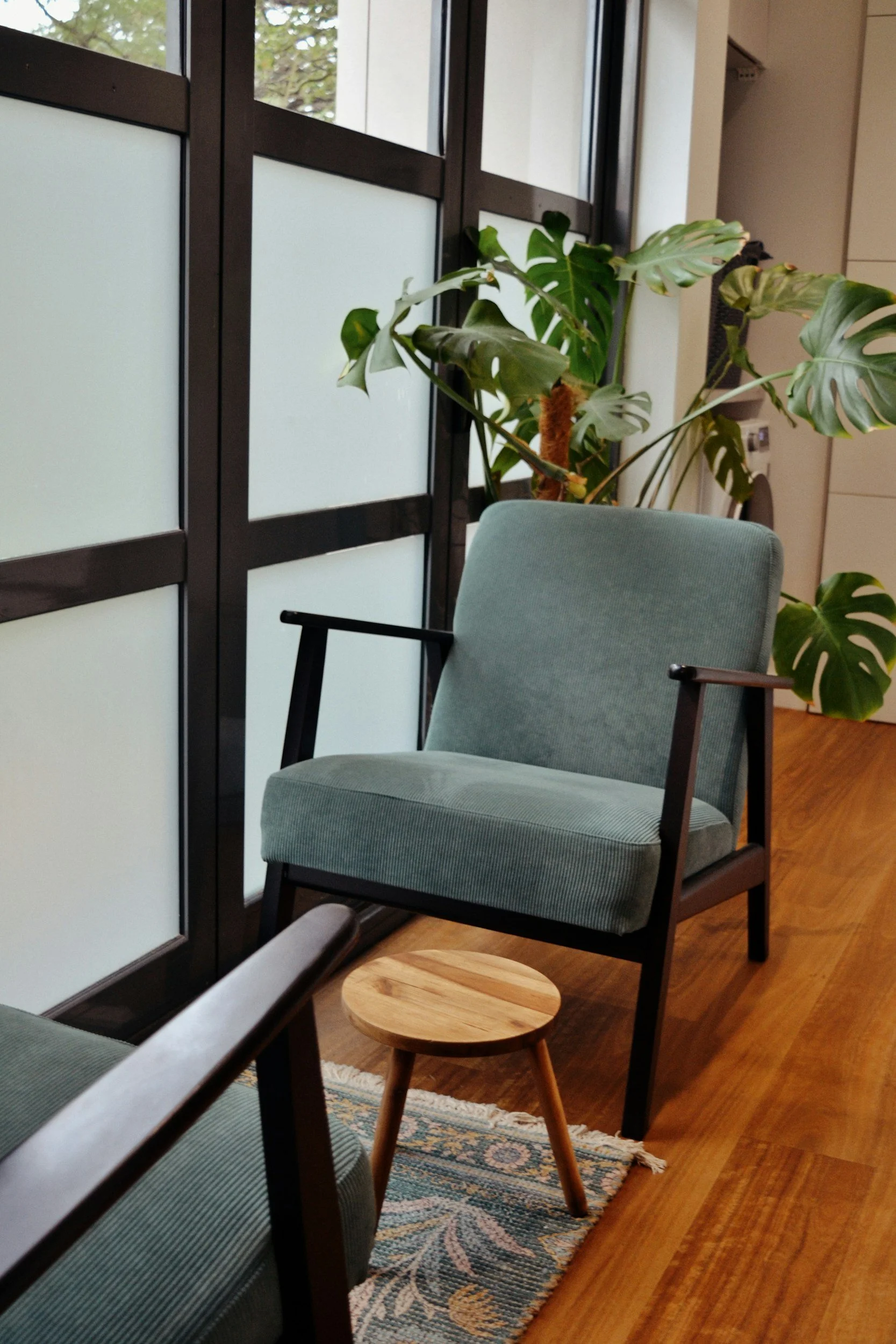
Most of my face-to-face sessions are held at Your Healing Rooms, right in the centre of Abergavenny. The rooms are calm, comfortable, and relaxing, with views of the Blorenge and Sugarloaf mountains. There is a cosy waiting area with comfortable chairs, tea and coffee available, and a toilet for convenience.
The rooms are easily reachable on foot, by car, or by public transport, with nearby bus stops and the train station within walking distance. There is abundant nearby parking, including short-term spaces and accessible bays, making visits straightforward. The town centre offers cafés, shops, and other amenities should you need to arrive early or wait before sessions.
Accessibility
I love these rooms, but due to the age of the building, they are not fully accessible for wheelchair users or clients with limited mobility. Accessibility is and has always been important to me, having grown up with a mother who using a wheelchair and crutches.
I am committed to making sure all clients feel safe, comfortable, and supported in their sessions. If the space is not accessible for you, I will be happy to work with you to find nearby alternatives that offer full accessibility while maintaining the same calm, welcoming environment.

Home Visits
In very rare circumstances, such as serious illness, I may be able to offer home visits. These are arranged individually to ensure a safe and supportive environment.
For clients who wish, I am happy to complete enhanced background checks at your request and expense. Additional costs may also apply to cover travel time and fuel.
Beyond Four Walls
Walk or Wheel and Talk Sessions
I also offer Walk or Wheel and Talk therapy sessions in Abergavenny, combining the benefits of movement and nature with therapeutic support. These sessions allow you to explore your thoughts and feelings while walking or wheeling at a pace that feels comfortable for you. Being outdoors can help reduce stress, improve mood, and encourage more relaxed and open conversation.
Routes and meeting points are planned along the Abergavenny canal and nearby natural spaces with accessibility in mind, ensuring they are suitable for walking or wheelchair use. This approach allows sessions to be comfortable, supportive, and practical, helping you engage fully in the benefits of moving therapy. You can choose convenient meeting points, and routes are selected to provide calm, natural surroundings while remaining accessible for travel and parking.
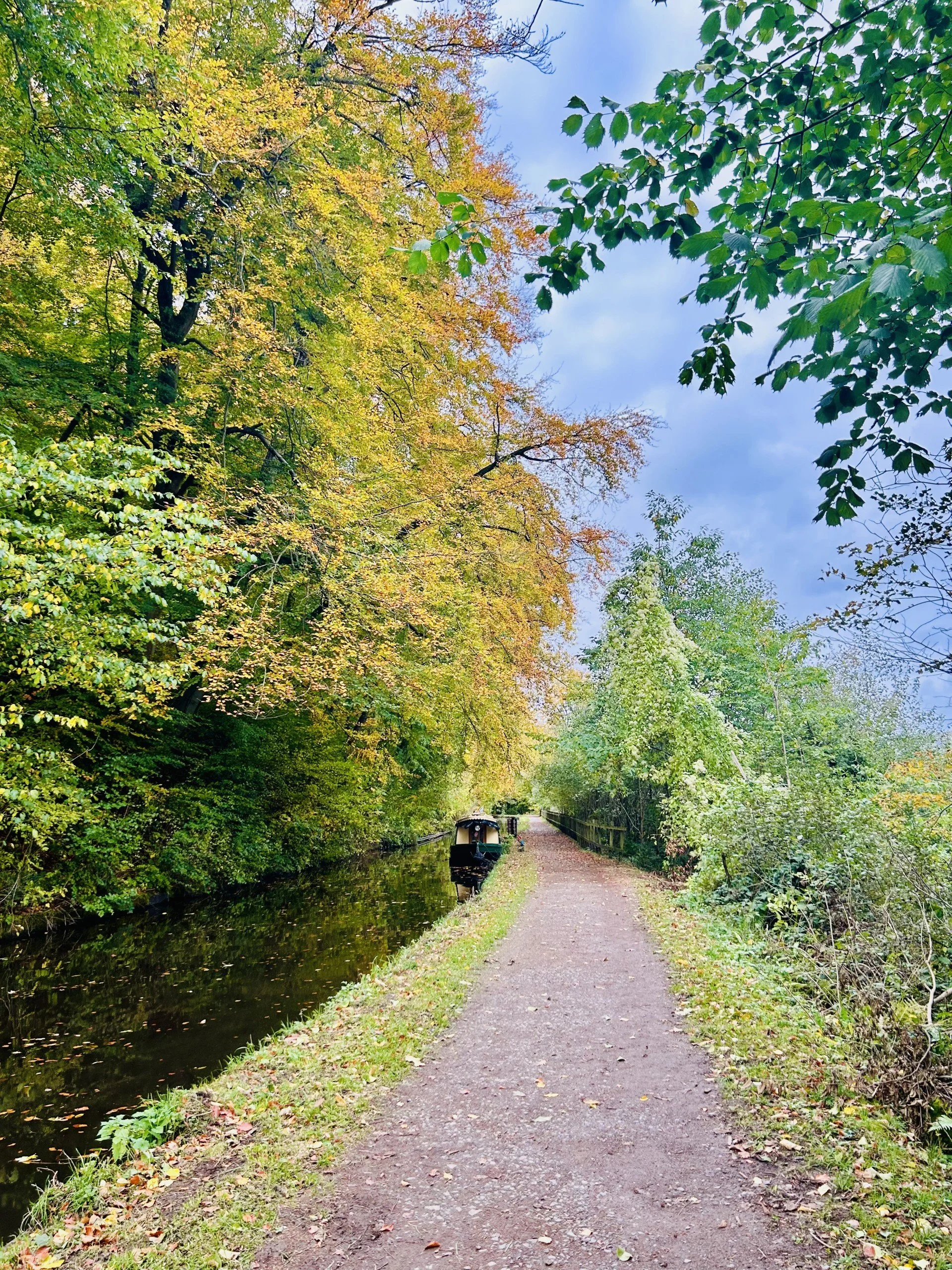


You may have noticed the pictures on the website. All natural scenes were taken locally, giving you an idea of some of the beautiful, nature-filled routes I use for therapy.
For clients with specific needs, I am happy to discuss adaptations to make sessions accessible and comfortable, whether that involves shorter walks, varied terrain, or alternative meeting points. Sessions can be tailored to your preferences to ensure you feel safe, supported, and able to focus on your therapy.
Still Have Questions?
For more information about my services and what to expect, please visit my FAQ page.